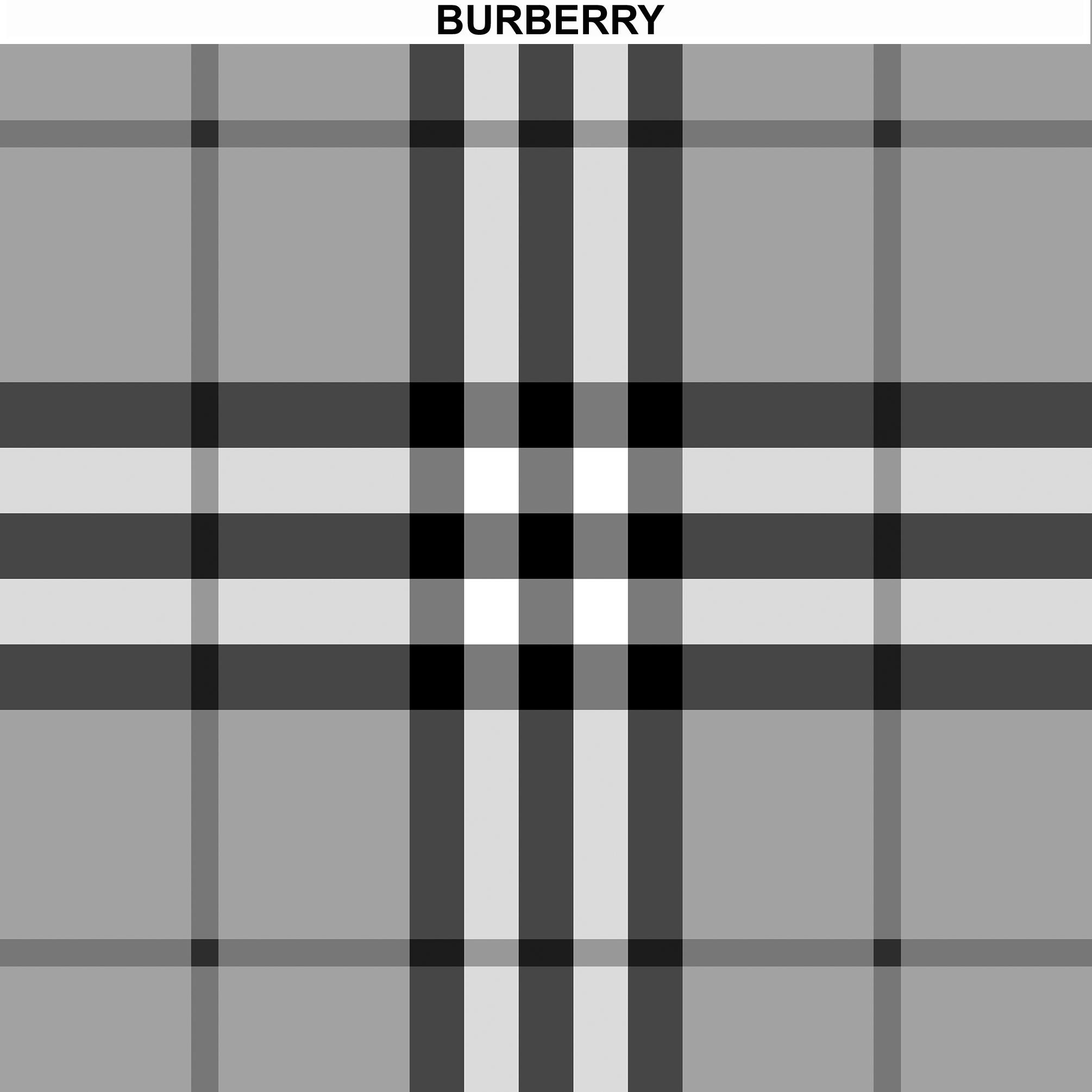
BURBERRY
Burberry has been registered in the UK for clothing since Thomas Burberry founded the company in Basingstoke, Hampshire in 1856. Burberry invented gabardine waterproof fabric in 1879 and its trench coat was adopted by British officers in World War I. The distinctive check pattern became both a luxury icon and, controversially, a symbol of British football culture in the early 2000s, prompting the company to carefully manage the trademark's associations.
Trademark Classification
It adds premium authority and fashion heritage.
Nice Class 25 covers clothing & footwear. View all Class 25 trademarks →
Brand History & Trademark Analysis
The Equestrian Knight logo featuring the Latin word "Prorsum" was created in 1901 and registered as a trademark in 1909. The Burberry Check, first introduced as a coat lining in the 1920s, was registered as a trademark. Its association with football hooliganism in the early 2000s prompted Burberry to restrict the check's visibility in advertising and reposition the brand upmarket.
Why the BURBERRY UK trademark matters
Every registered UK trademark tells a story about how a brand built, defended, and commercialised its identity. The BURBERRY filing sits on the UK Intellectual Property Office register as an active reference point for anyone researching similar marks, clearing a new filing in Nice Class 25, or studying how established brands use classification to protect their goods and services. For founders and in-house counsel, reading filings like this one in detail is one of the fastest ways to develop an intuition for what the UK IPO accepts and how examiners approach distinctiveness, descriptiveness, and likelihood of confusion.
Trademark protection is territorial, class-specific, and time-limited. A UK registration in Nice Class 25 does not automatically cover every variant of a mark, every country, or every adjacent category, which is why brand owners rely on structured searches — our UK clearance tool and the wider Trademark Wiki of notable British brands — to see how a proposed mark compares to the incumbent register before filing. Reviewing the full Nice Classification breakdown at Class 25 is a useful companion step.
If you are planning a filing that touches the same class as BURBERRY, start with a conflict check against both the exact word mark and phonetic near-matches, review cited Nice Class coverage against the commercial use you actually intend, and document the goods or services in language an examiner can map cleanly to the classification. That groundwork is often the difference between a smooth registration and an avoidable objection or third-party opposition months down the line — and it is where a UK-qualified trademark attorney adds the most value early.
UK marks renew every ten years from the registration date, so long-standing brands like BURBERRY typically sit on the register through multiple renewal cycles — each one is a point at which the owner re-confirms use in commerce and decides whether to trim or broaden the filed goods and services. The two-month opposition window after publication is the other date worth knowing: it is the period when earlier-rights holders can challenge a newly-filed mark, and it is why a thorough clearance search before filing is cheaper than defending an opposition after. For international strategy, once a UK base filing is on record the Madrid Protocol lets owners extend protection into more than 100 member territories from a single application — a route BURBERRY and most portfolio-scale brands use to avoid filing country-by-country.